

6.38 mm clear laminated glass
Calibrated Pin Gauges The Precision Tool for Dimensional Accuracy in Manufacturing In the realm of precision engineering and manufacturing, calibrated pin gauges occupy a pivotal position as an indispensable tool for ensuring dimensional accuracy. These seemingly simple yet meticulously crafted instruments play a crucial role in quality control processes by providing a reliable means of verifying and measuring internal dimensions such as holes, slots, and recesses. This article delves into the significance, construction, usage, and maintenance of calibrated pin gauges, underscoring their importance in maintaining the highest standards of manufacturing excellence. **Understanding Calibrated Pin Gauges** Calibrated pin gauges, also known as go/no-go gauges or simply pin gauges, are cylindrical or tapered metal rods, meticulously ground to precise diameters with tolerances as tight as a few microns. They serve as a reference standard for checking the size and straightness of drilled or machined holes. Each gauge is precisely calibrated against national or international measurement standards to guarantee absolute dimensional accuracy. The primary advantage of pin gauges lies in their simplicity. They come in sets, with each pin representing a specific dimension. In a 'go' gauge, the pin should easily slide into the hole, indicating that the hole is within the acceptable lower limit of the tolerance range. Conversely, a 'no-go' gauge should not enter the hole or do so only partially, signifying that the dimension exceeds the upper tolerance limit. This binary system provides an immediate pass/fail assessment, making it a swift and straightforward method for quality inspection. **Construction and Material** Calibrated pin gauges are typically fabricated from high-grade steel, chosen for its hardness, wear resistance, and stability under varying temperatures. Chromium-plating is often applied to enhance corrosion resistance and improve surface finish, ensuring consistent and reliable measurements over time. The ends of the pins may feature a slightly rounded tip to prevent damage to the part being inspected and facilitate smooth insertion The ends of the pins may feature a slightly rounded tip to prevent damage to the part being inspected and facilitate smooth insertion The ends of the pins may feature a slightly rounded tip to prevent damage to the part being inspected and facilitate smooth insertion The ends of the pins may feature a slightly rounded tip to prevent damage to the part being inspected and facilitate smooth insertion calibrated pin gauges . **Applications Across Industries** From aerospace to automotive, medical devices to microelectronics, calibrated pin gauges find application wherever micron-level accuracy is paramount. In the automotive industry, they ensure the correct fitment of engine components; in aerospace, they verify the precision of aircraft parts where safety is critical. Medical device manufacturers rely on them to maintain strict tolerances in implants and surgical instruments, while in semiconductor manufacturing, they contribute to the meticulous fabrication of minuscule components. **Maintenance and Calibration** Maintaining the accuracy of pin gauges is crucial to their effectiveness. Regular cleaning with a soft cloth and appropriate solvent prevents contamination and preserves surface integrity. Storage in a controlled environment, typically in a humidity-controlled cabinet, safeguards against dimensional changes due to temperature fluctuations. Periodic recalibration by accredited laboratories is mandatory to verify and restore the gauges' dimensional conformity, typically annually or after a set number of uses, depending on usage frequency and industry standards. **Conclusion** Calibrated pin gauges embody the essence of precision in modern manufacturing. Their role extends beyond mere measurement tools; they are guardians of quality, ensuring that products meet stringent tolerances and perform as intended. As technology advances and manufacturing tolerances become ever tighter, the reliance on these meticulously crafted instruments will only continue to grow. By embracing best practices in their use and maintenance, industries can harness the full potential of calibrated pin gauges, driving advancements in product quality and reliability. In the quest for perfection, these humble yet highly effective tools stand as a testament to human ingenuity and the relentless pursuit of precision.
about
6.38 mm clear laminated glass
Understanding 3-Inch Globe Valves A Comprehensive Guide Globe valves are essential components in various piping systems, providing efficient control over the flow of liquids and gases. Among the different sizes available in the market, the 3-inch globe valve stands out due to its versatility and robustness. This article will explore the features, advantages, applications, and maintenance of 3-inch globe valves, offering insights into their significance in industrial and commercial settings. Features of 3-Inch Globe Valves A 3-inch globe valve typically consists of a spherical body with an internal baffle that directs the flow of fluid. The design allows for an easy adjustment of flow and pressure, making it ideal for systems that require throttling. These valves are constructed from various materials, including brass, stainless steel, and carbon steel, allowing them to withstand high pressure and temperature conditions commonly found in industrial applications. One of the key characteristics of globe valves is their ability to maintain a tight seal. This is crucial in preventing leaks and ensuring the integrity of the system. The disks inside the globe valve can be made from different materials, such as rubber or metal, depending on the application requirements. Additionally, 3-inch globe valves usually feature either rising or non-rising stems, which affect the valve's design and installation process. Advantages of 3-Inch Globe Valves 1. Flow Control Globe valves provide excellent control over flow rates, making them suitable for systems needing precise regulation. Their design allows for smooth transitions between open and closed positions, ensuring that flow adjustments can be made safely and effectively. 2. Versatility The 3-inch size is commonly used in a wide range of applications, from water supply systems to oil and gas pipelines. Their adaptability to different environments makes them popular in various industries, including manufacturing, HVAC, and petrochemical processes. 3. Durability Constructed from robust materials, 3-inch globe valves are designed to resist corrosion and wear, ensuring a long operational lifespan. Their sturdy build makes them an ideal choice for high-pressure applications and extreme conditions. 4. Ease of Maintenance Maintenance of globe valves is generally straightforward, as they can be repaired or replaced without requiring significant alterations to the piping system. Regular inspection and servicing can extend the lifespan of these valves, ensuring optimal performance. globe valve 3 inch Applications of 3-Inch Globe Valves 3-inch globe valves are extensively utilized across multiple sectors. In water treatment plants, they help in regulating the flow of treated water into distribution systems. In the chemical processing industry, they play a crucial role in controlling the flow of various substances, including corrosive and hazardous materials. In the oil and gas sector, these valves are essential for controlling flow rates in pipelines and processing facilities, contributing to the safe and efficient transportation of crude oil and natural gas. Furthermore, in HVAC systems, 3-inch globe valves regulate the flow of heating and cooling fluids, ensuring efficient climate control in buildings. Maintenance Tips for 3-Inch Globe Valves To ensure optimal performance and longevity of 3-inch globe valves, regular maintenance is essential. Here are some maintenance tips 1. Regular Inspection Periodically check for any signs of leaks or wear. Inspect the valve stem, packing, and seals for any damage. 2. Cleaning Keep the valve and surrounding area clean from debris and corrosion, which can affect performance. 3. Lubrication Apply appropriate lubricants to the valve stem and other moving parts to reduce friction and wear. 4. Testing Conduct regular flow tests to ensure the valve operates within the desired parameters. In conclusion, the 3-inch globe valve is a vital component in piping systems across various industries. Its ability to provide precise flow control, durability, and ease of maintenance makes it an excellent choice for a multitude of applications. Understanding its features and proper maintenance procedures can ensure that these valves operate efficiently, contributing to the overall performance and safety of fluid transport systems. Whether in water treatment, chemical processing, or HVAC applications, the importance of the 3-inch globe valve cannot be underestimated.
-

High quality industrial productsagement

High quality industrial products
View Details -

Meet the diverse needs of customers

Meet the diverse needs of customers
View Details -

Strict quality control

Strict quality control
View Details -

Top raw materials

Top raw materials
View Details -

Trusted supplier

Trusted supplier
View Details
Our application

news and information

Válvulas de compuerta y válvula de cierre
Las válvulas de compuerta (gate valves) y las válvulas de globo (globe valves) son dos tipos de válv

wskazuje mikrometr
Indykatory Mikrometryczne Zastosowanie i Właściwości Indykatory mikrometryczne to precyzyjne narzędz
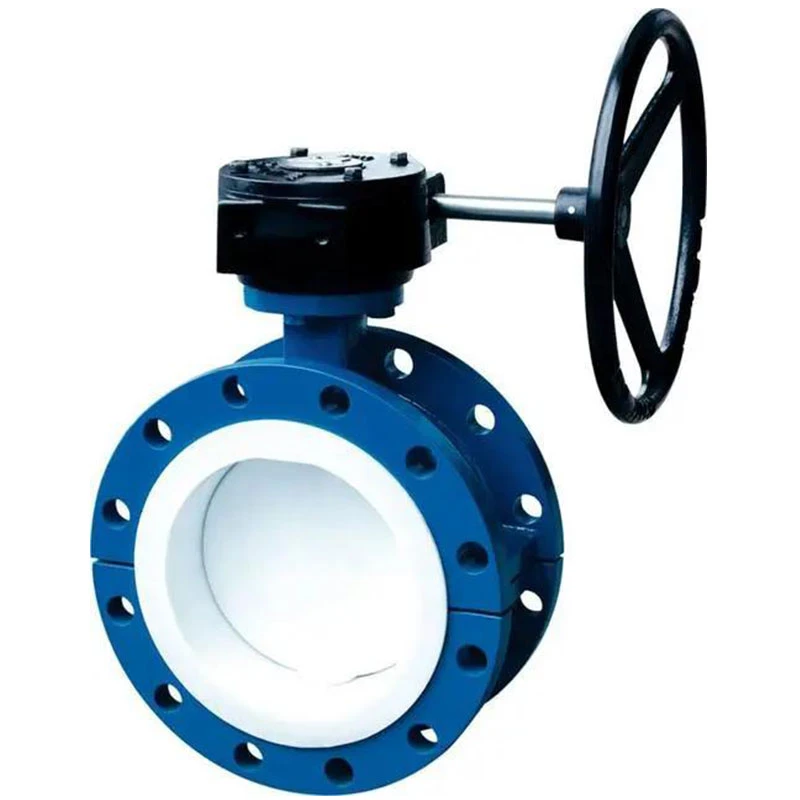
Versatile Thread Measurement Tool for Accurate Adjustable Gauge Specifications
Understanding Adjustable Thread Gauges An Essential Tool in Precision Engineering In the realm of pr
 English